


Understanding the basics of gambling a beginner's guide
What is Gambling?
Gambling is the act of risking money or valuables on an uncertain outcome with the intent of winning additional money or prizes. This practice has been around for centuries, deeply woven into many cultures and societies. Whether it is betting on sports, playing casino games, or participating in lotteries, the fundamental principle remains the same: wagering on events with unpredictable results. In fact, many enjoy activities like playing the aviator game as an exciting addition to their gambling experiences.
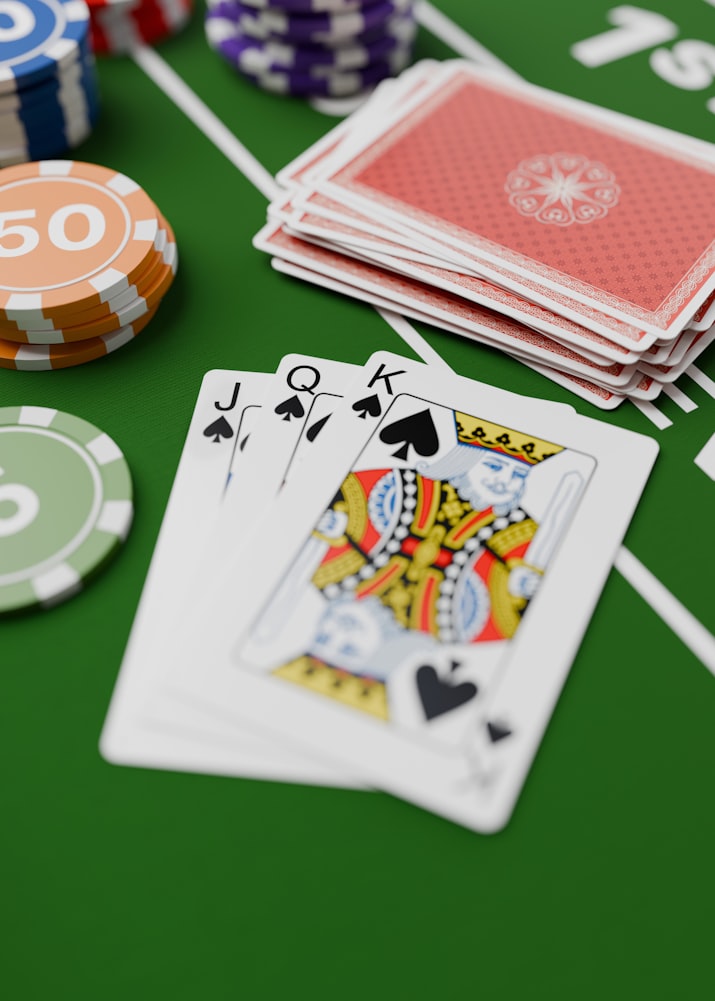
At its core, gambling involves three essential components: the stake, the odds, and the prize. The stake is the amount of money or value you are willing to risk, the odds represent the likelihood of a particular outcome occurring, and the prize is the potential return on your investment should you win. Understanding these components is crucial for anyone who wants to engage in gambling responsibly.
The Types of Gambling
There are various forms of gambling, each with its unique characteristics and appeal. Casino games, such as slots, poker, and blackjack, offer players a chance to test their skills and luck in a controlled environment. Sports betting allows individuals to wager on the outcomes of sports events, adding excitement for fans and enthusiasts alike. Additionally, many players find that understanding the psychology of casino environments can enhance their experience.
Moreover, lottery games and bingo provide a more casual approach to gambling, often with lower stakes but the possibility of significant rewards. Understanding these different types will help beginners choose the form of gambling that suits their preferences and risk tolerance.
Understanding the Risks
Gambling can be entertaining, but it also carries inherent risks that beginners must recognize. One of the most significant dangers is the potential for addiction. Gambling addiction can lead to severe financial, social, and emotional consequences. It’s essential for beginners to set limits on their gambling activities and be aware of the signs of problematic behavior.
Furthermore, the odds in gambling are often structured in favor of the house, meaning that over time, the casino or gambling venue is statistically more likely to win. This understanding can help beginners approach gambling with a realistic mindset, recognizing that while winning is possible, losses are also a likely outcome.
Strategies for Responsible Gambling
To enjoy gambling while minimizing risks, beginners should adopt responsible gambling strategies. Setting a budget before gambling and sticking to it can help ensure that financial losses do not spiral out of control. It’s also advisable to choose games with better odds and lower house edges, as these increase the chances of winning.
Another effective strategy is to take breaks and avoid chasing losses. Gambling should be viewed as a form of entertainment, not a way to make money. By keeping a healthy perspective on the activity, beginners can enhance their experience while reducing the likelihood of negative consequences.

Additional Resources and Information
For those seeking to expand their knowledge about gambling, numerous resources are available online. Websites dedicated to gambling education offer insights into different games, strategies, and responsible gambling practices. These resources can be invaluable for beginners looking to enhance their understanding and skills.
Additionally, many gambling platforms provide tutorials and guides for new players, allowing them to learn the ropes in a safe environment. Engaging with these educational tools can significantly improve a beginner’s experience and confidence as they navigate the world of gambling.